


Shopping Cart
There are no more items in your cart
 Italiano
 Deutsch
 Español
 Français
 English
.png)


Roof boxes and baskets

Car roof racks and roof boxes: open or enclosed
Roof boxes and roof racks are the two main categories of roof accessories for carrying extra luggage. On one hand, there’s the roof box, an enclosed container that protects your load; on the other, the open roof rack, a structure for securing bulky or irregularly shaped loads. Menabo manufactures both in Italy for cars, designed to be mounted on roof bars with a focus on aerodynamics. The right choice depends on what you’re transporting and how often you use it.


Tutti i prodotti di questa categoria sono compatibili con la tua auto

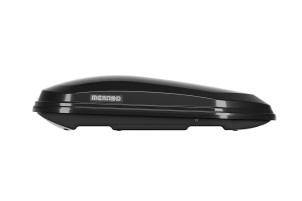
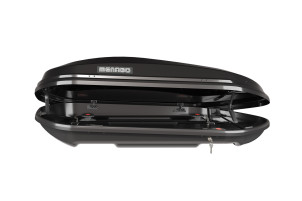

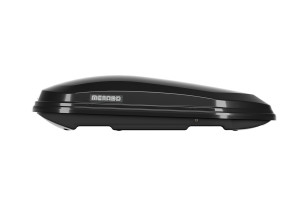
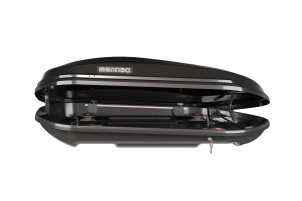
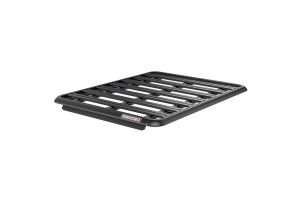
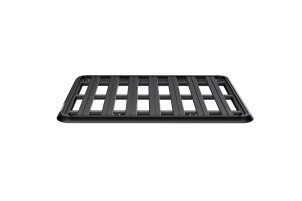
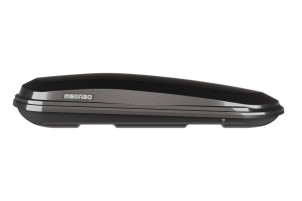
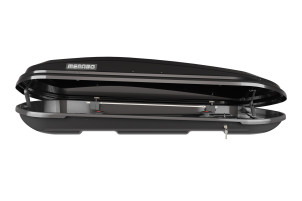


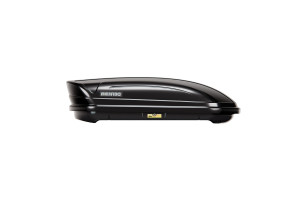
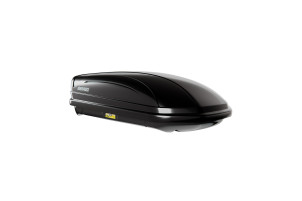
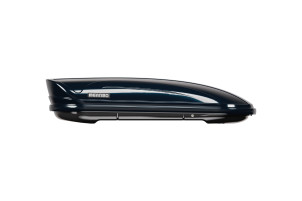
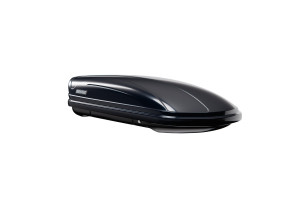
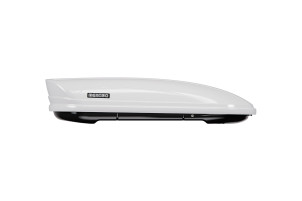
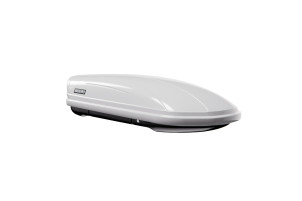
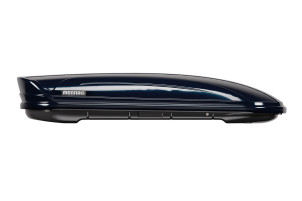
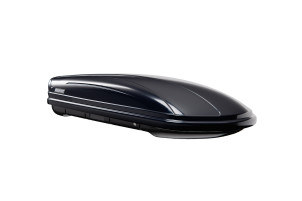
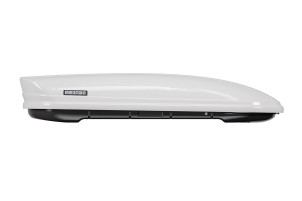
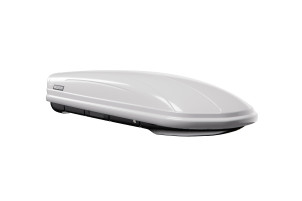
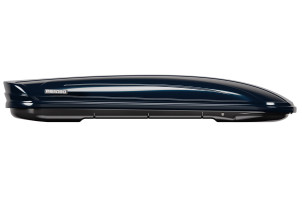
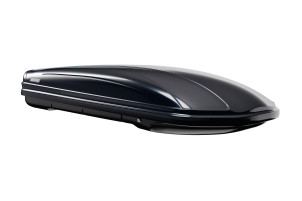
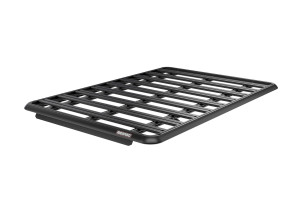
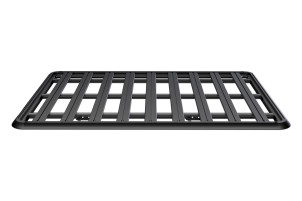
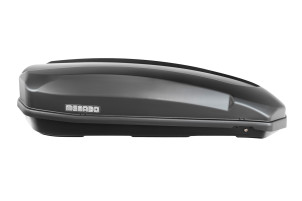
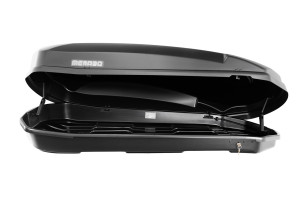
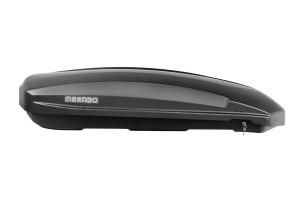
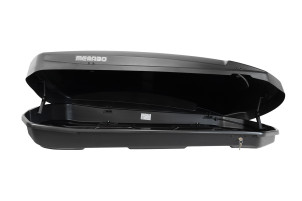
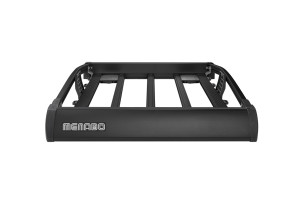
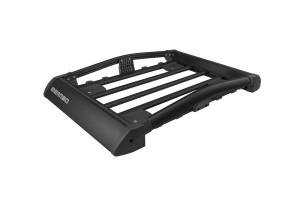

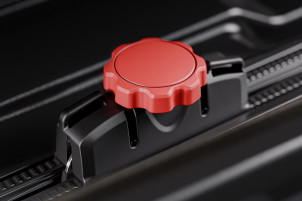
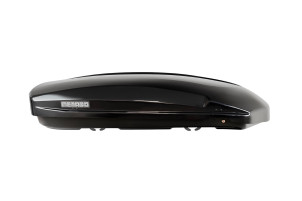
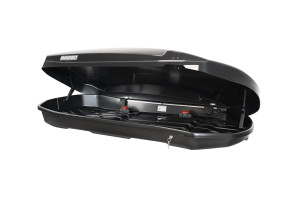
Roof boxes and roof racks: what’s the difference?
The difference lies in their design. A roof box is a rigid, enclosed shell that protects the contents from rain and dust while offering good aerodynamics. A roof rack is an open structure without a lid, designed for bulky or irregularly shaped loads that would not fit inside a box. Both are mounted on the car roof and increase its load capacity, but they are designed for different uses.
The enclosed roof box or cargo carrier: when is it a good choice?
An enclosed roof box is the best choice when your load needs protection or for frequent, long-distance travel—whether for luggage, sports equipment, or skis. It is quiet, secure, and reduces air resistance. You can find the full range—with capacities from 320 to 600 liters—among our roof boxes and carriers.
The open roof rack: when is it a good choice?
An open roof rack is ideal for bulky, long, or irregularly shaped loads that would not fit in a roof box—such as work materials, occasional extra luggage, or outdoor gear. While more versatile for handling a single large item, it offers no protection for the contents, making it best suited for occasional transport needs. Some models can be fitted with accessories like cargo nets to keep the load secure during the journey..
Roof rack or rear rack?
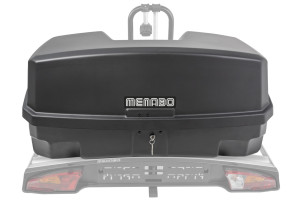
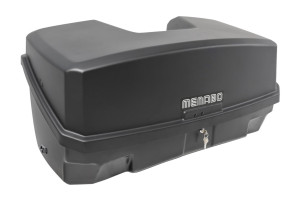
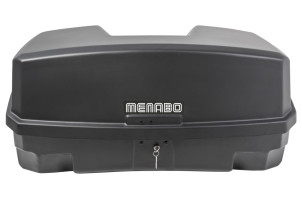
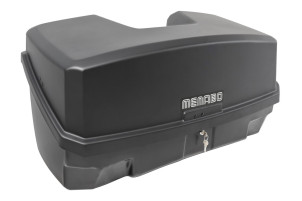
In addition to roof-mounted versions, there are rear-mounted cargo boxes that attach to the tailgate or tow bar and can be loaded from ground level, eliminating the need to lift luggage onto the roof. They are convenient for SUVs and MPVs, or when the roof is already occupied by other accessories..
On which bars are roof boxes and roof racks mounted?
Both cargo boxes and roof racks attach to roof bars, not directly to the roof. Before making a choice, check that you already have the right bars for your car, or bundle the bars and accessory into a single purchase using the configurator..
FAQ — Main category: top cases and luggage racks
What is the difference between a roof box and a roof rack?
A roof box is an enclosed container that protects the load from rain and dust, whereas a roof rack is an open structure designed for bulky or irregularly shaped loads. The roof box is more aerodynamic and secure, while the roof rack offers greater versatility for large, awkward items. Both are mounted on the car roof using roof bars..
When is an open roof rack a better choice than a closed roof box?
An open roof rack is suitable for long, bulky, or irregularly shaped loads and for occasional use where protection is less of a priority. A closed roof box is better for luggage, gear, and frequent trips, as it protects the contents and is more aerodynamic. If you use the roof rack often and for extended periods, a box is more practical..
Roof rack or rear-mounted rack: which one to choose?
It depends on the vehicle and how it is used. A roof rack or roof box utilizes the roof and leaves the rear of the vehicle clear, but requires lifting the load. A rear cargo box—mounted on a tow-bar bike carrier—is loaded from ground level and is convenient for SUVs and minivans, or when the roof is already occupied.
On which bars are roof boxes and roof racks mounted?
Roof boxes and carriers attach to roof bars, not directly to the car roof. Rear-mounted boxes, on the other hand, mount onto tow-bar bike carriers. Always check the accessory's compatibility with your car and ensure you already have the appropriate bars.
How much load can I put on the car roof?
The limit is the lower of the two values: the roof load capacity specified in your car's manual and the load capacity of the roof bars. Distribute the weight evenly, secure the load firmly, and never exceed the limit; an overloaded roof impairs road holding and braking performance, and increases fuel consumption..

.png)