Inside the passenger compartment only if the skis fit completely, lie flat and are secured. Otherwise, put them on the roof with a magnetic ski rack or a rack for roof bars, or inside a roof box. Boots, helmet and poles go in the boot.
A pair of adult skis is over 160 cm long: left unsecured between the seats, it becomes a projectile in hard braking.
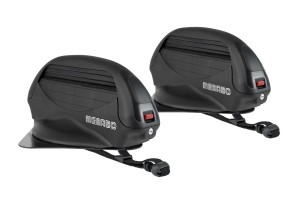
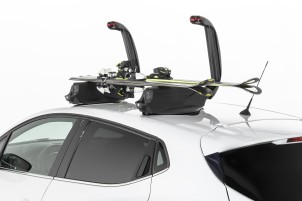
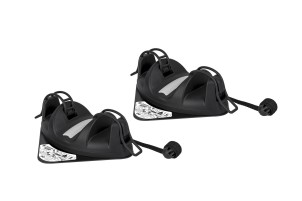
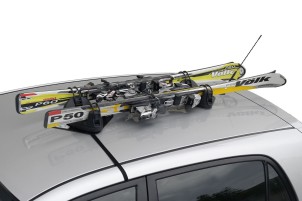
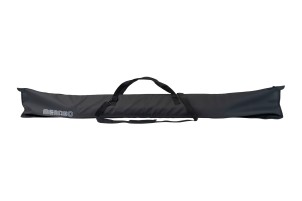
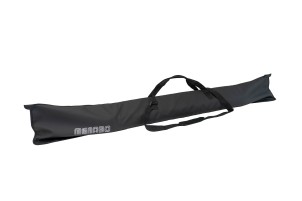
Three systems cover almost every situation. The magnetic ski rack sits directly on the metal roof, without bars, and can be fitted in a few minutes: compact models carry two pairs of skis, while Aconcagua carries three pairs of classic or cross-country skis or two pairs of carving skis.
The manuals for Aconcagua, Himalaya, Shark and Igloo set a limit of 130 km/h with skis and 100 km/h with snowboards, and require three things: a clean and dry roof before installation, a safety strap secured inside the passenger compartment, and ski tips pointing towards the rear.
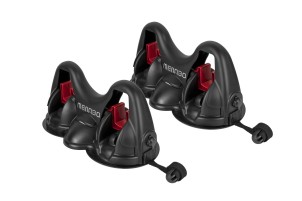
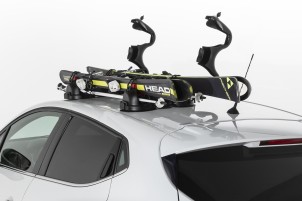
The ski rack for roof bars attaches to the crossbars and can remain installed throughout the season. It carries more: up to six pairs of skis or four snowboards on the largest model, Yelo Black. It is the choice for anyone who skis every weekend or already has roof bars for year-round use.
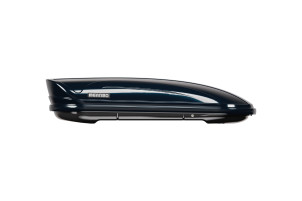
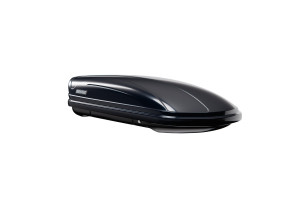
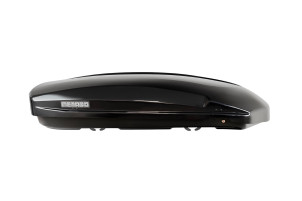
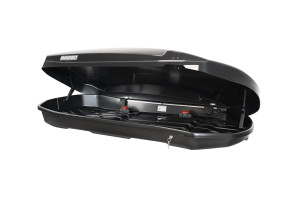
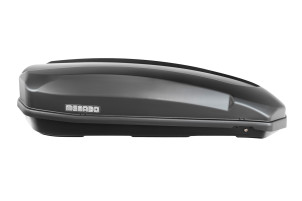
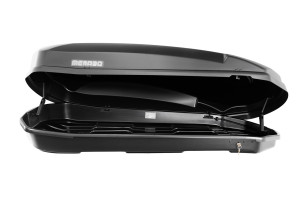
The roof box keeps skis together with the rest of the luggage, protected from snow and salt, provided the internal length is sufficient. It is the choice for families travelling with more luggage than skis. The comparison between roof boxes and ski racks deserves a guide of its own.
The differences between magnetic racks and roof-bar systems concern installation time, capacity and the type of roof they can be used on. The guide to choosing the right ski rack for your car compares the two systems side by side, with a table showing the capacity of all models. For magnetic-rack security on motorways, see the guide to magnetic ski-rack safety; for the installation sequence, see the dedicated installation guide.



 Italiano
 Deutsch
 Español
 Français
 English
.png)


.png)





Comments (0)